Showing posts with label Bernardi Audi. Show all posts

Wednesday, September 18, 2013

How to Get Your Windshield Chip Repaired


Rocks, road debris, hail, ice, and many other objects can cause your windshield to chip or crack.  Although these images may look harmless, left in disrepair, these windshield chips can cause your windshield to crack and become unsafe.


As long as the chip or small crack (less than 6 inches) is not in the direct line of site of the driver (or what is known as the critical area), it may be repairable, potentially saving you hundreds of dollars.  Some insurance companies will actually pay for the repair of windshield chips or small cracks, waiving your deductible.

The windshield repair technician will first drill a small hole into the rock chip.  Then, the technician will apply vacuum pressure onto the hole.  An injection of resin is made into the windshield chip hole.  Once the resin has been injected, the technician cures the resin by utilizing an ultraviolet light.  Once cured, the excess resin is removed from the repair and the windshield in cleaned.  The repaired windshield is no longer in danger of cracking further from this chip.  You may, however, notice some distortion at the point of the repair as the resin will not be perfectly clear, but it is structurally safe. 

Left in disrepair, your windshield chip will develop into a crack and most likely will end up ruining your windshield.  Temperature variations, car washes, or even extreme temperatures can cause your chip to turn into a large un-repairable crack.  The sooner the repair is completed, the better the results will generally be.  Dust, debris and moisture can settle into the crack and cause blemishes or discoloration.

Most people do not realize that the windshield of your car, truck or van is an important structural component of your vehicle.  Therefore, a quality installation is essential to maintain that structural integrity.  Using the most advanced materials, such as a quality adhesive, is a critical element in the windshield installation process.

Wednesday, August 21, 2013

Top 5 Audi Instagram Pics of August

These are the Top 5 Audi pics from August voted by our staff.

@robertoramr

@daily_euros

@mottlino

@activestance_david

@krasivaya_jizn

Wednesday, August 14, 2013

How Much Does An Electric Vehicle ACTUALLY Cost to Maintain?


The Jetsons is the first thing that comes to mind when I think of electric vehicles, not necessarily a floating utopia equipped with flying cars, but it’s definitely a wave of the future.  With countless manufacturers rolling our production vehicles and prototypes, it’s not difficult to get lost in the shuffle.  We’ve heard the conversation around electric vehicles: they’re quiet, cheap to maintain, and environmentally friendly.  Lets delve a bit deeper and get the actual price of maintaining one.

According to Edmunds: to figure out the cost of fueling an EV, start with the electric car's energy consumption rate, which is expressed as kWh per 100 miles (kWh/100m). This figure will be listed on the EPA's upcoming EV fuel economy label (the 2011 Leaf's preliminary label is shown here, complete with an erroneous 12-cent per kWh figure in the cost estimate that Nissan says it is correcting). The next figure is your home electric rate, assuming that's the primary charging site. Multiply the kWh/100m figure by the electric rate to get the cost per 100 miles. For instance, the Leaf's kWh/100m figure is 34. If electricity is 11 cents per kWh — the national average — it would cost $3.74 to go 100 miles.

Utility companies, and the time and level of use set the electricity cost.  You pay more for kWh at peak hours, making a lot of electric commuters pay more than the national average of 11 cents per kWh.  How do real individuals save on their electric vehicles? 

Tom and Cathy Saxon have two electric vehicles.  They installed separate electric meters for their EVs (electric vehicles) in July 2009 and have been tracking them since then.  The Saxton's Tesla is consuming at a rate of 30.8 kWh/100m (bettering its official EPA rating); the RAV4 is averaging about 35 kWh/100m.  They pay an average of 11.25 cents per kWh.  In other words, they drive about 30 miles on a dollar’s worth of electricity, it would be much more expensive to drive with gas.  Results do vary, depending on a couple factors like when and where you’re charging, but the true cost of filling up is a tad more complicated than expected.

Wednesday, July 24, 2013

Uncommon Car Facts: 2013 Edition


Hey, Fans! A new year means new beginnings for us.  We’re rearing up for another great year in the Automotive world, and wanted to have some fun with our blog.  Every year, we showcase the coolest car facts (not to be confused with Car Fax) this side of the Northern Hemisphere.  If you have facts that you would like to add, feel free!  We welcome any and all feedback from our readers.  

  • Rear view mirrors were first attached to cars in the year 1916.
  • The world’s longest skid marks are 950 feet long.
  • The Carburetor and the clutch mechanism were invented by women in the year 1923.
  • The world’s first license plates were issued by the French police in the year 1893. They were called number plates then.
  • The Tata Nano is the cheapest car in the world. ($2500 US)
  • The world’s first car accident took place in 1769. The car is still preserved at a museum in Paris.
  • The average length of electrical wires in every car is about 3000 feet.
  • A driver spends about an average of two weeks of his life waiting for the traffic light to change color.
  • Japan produces the most number of cars in the world.
  • Airbags take only 40 milliseconds to open in case of an accident.
  • The first cars had levers instead of a steering wheel!

We’re looking for more facts to expand our list!!! Leave a comment with your fact.

Wednesday, July 17, 2013

Navigating a Downpour


Rain is essential.  It helps vegetation flourish, provides nutrients to soil, and is an overall integral part of life here on Earth.  But when it’s hitting your windshield and the pitter-patter of raindrops causes you to clench your teeth, it’s time to take precaution.  Rain can be attributed to thousands of car accidents a year.  Accidents can be preventable by drivers who weather (pun intended) the conditions of the road, using their intuition and defensive driving skills to stay safe during their commute.  When the road is wet, a film is created on the asphalt, causing your tires to lose traction.  Another problem during a downpour is your perception.  You can’t see as far into the distance as normal, so this decreases visibility of other cars and the road itself.

In today’s blog, we discuss some options to driving safely when the roads are wet.

Be careful when it rains after a dry spell.  Engine and oil grease cake up on asphalt over time.  When this is mixed with rainwater, it can cause the road to be extremely slick. 

Allot more time for your commute.  This allows for a steady drive to your destination.  The last thing you want to do is rush, it also compensates for delays, flooding, and unexpected accidents.

No Cruise control!  If you go into a hydroplane, there’s a slight chance your car could accelerate.  Reaction time is crucial and you’ll need your foot close to the pedal at all times.

Turn on your headlights.  This helps you see the road, and also lets motorists see you.  Blasting your high beams however can prove detrimental.  It can obscure your view further, reflecting water droplets in the air. 

Hydroplaning.  The first rule to avoiding the dreaded hydroplane is to avoid braking suddenly or turning the wheel, which can cause your car to spin or skid off of the road.  According to Edmunds: “Release the gas pedal slowly and steer straight until the car regains traction. If you must brake, tap the brake pedal (unless you have antilock brakes, in which case you can put your foot down).”

Defog your windows.  Rain causes your windshield to fog up fairly quickly.  Turn on your defrosters and make sure you're A/C is turned on.  Most vehicles climate control systems will automatically engage the A/C when the windshields defrost is selected.

Wednesday, June 5, 2013

Smartphone App of the Week: CarBUZZ


Ok, so you’re sitting down at the doctor’s office waiting for your appointment.  Your seat is uncomfortable, you have the urge to sneeze and the little boy across the room is eyeing you with an evil disposition.  Thanks to CarBUZZ, an online automotive authority, your troubles are over.  While waiting, you can take advantage of this downtime by downloading the FREE CarBUZZ app for your smartphone.  It’s an amazing way for car enthusiasts to enjoy the latest reviews, editorials, and news from the automotive industry via a mobile medium.  According to CarBuzz:

“Readers will be immersed in a wide variety of articles, providing opinions and reviews on the latest and most exciting vehicles, as well as daily news updates encompassing everything from the automotive world.

CarBuzz is compatible with the iPhone, iPod Touch, iPad and Android powered devices.”


This week's featured smartphone app is CarBUZZ, an awesome free app that keeps you informed!!! Download it FREE here

Thursday, May 30, 2013

Steps to Buying GREAT Auto Insurance


We’re car people.  From the accents and contours of a vehicle, to the drive and adrenaline of a fast car, we have a certain appreciation for the automotive machine.  As our passion, we’re great at finding a perfect fit for our customers.  When it comes to auto insurance, you want to be covered in the case you get into a fender bender.  So, in an effort to ease the burden, we’re providing 5 tips for finding the right coverage at the right price.  By doing some comparison shopping, you could save hundreds a year.  

Find the Right Coverage

Your first step should be to find a list of what is required in the state.  You can visit this link to find out: http://www.edmunds.com/auto-insurance/how-much-car-insurance-do-you-need.html this will provide the minimum of what is required. Once you have that, you should decide what insurance premium you need.  Your decision depends on your degree of comfort and a certain level of risk.  According to Edmunds:

“Experts recommend that if you have a lot of assets, you should get enough liability coverage to protect them. Let's say you have $50,000 of bodily injury liability coverage but $100,000 in personal assets. If you're at fault in an accident, attorneys for the other party could go after you for the $50,000 in medical bills that aren't covered by your policy.”

Also, you don’t have to buy collision and comprehensive damage, especially if your vehicle is older than 2000.

Check Your Driving Record

How many tickets have you had recently? By checking your state’s department of motor vehicles, you can have a better idea of how you stack up.  For example, if points you earned on your license are about to disappear, this will improve your driving record.  So, we would recommend you wait until that happens before you receive quotes.

Solicit Competitive Quotes

You will need:
o   Current Policy
o   License Number
o   Vehicle Registration
Check out insurance company websites and receive a quote.  It’s easy to type in your information and build a list of companies for comparative quotes.  Each quote takes about 15 minutes to complete, but shopping around can save you hundreds.  Think about the annual and monthly rates for different types of coverage, note the 800 number so you can get more direct answers, and pay close attention to the insurance company payment policy. 

These are just a few tips to get you started.  For more info visit your favorite insurance company website for details.

Wednesday, May 15, 2013

12 tips you should know before driving in another country


While we love to travel preparing for our trip should include transportation and not everyone wants to take the bus tours.  So it makes perfect sense to do your homework before renting a car or even taking the company car when driving in other countries.  These tips should be helpful and prevent you from being served a fine or even being tossed in jail. 
The following are some tips on driving in other countries:

·      Check to see if the rental car takes diesel or gas (this can be a costly mistake if you use the wrong one)
·      Create a travel file with proper documentation
·      Find out if you need an IDP or International Driving Permit (this is used with your valid drivers license
·      Some countries require a Test Pass Certificate
·      Most countries you must be over 18 to drive
·      Research the rules on Drinking and Driving (some laws prevent you from having a drop of alcohol)
·      Find out if the police are allowed to collect on the spot fees
·      When getting insurance coverage double check to prevent paying for additional coverage that maybe covered by your credit card
·      Before driving off check for the original vehicle registration
·      You may also need to carry a Vehicle on Hire Certificate
·      Be sure to check for any additional safety equipment and requirements. (In Germany you need to carry a Warning Triangle and in Italy you need to have a Drivers Safety Vest)
·      Even if you are allowed to use your company car, ask for a letter of authorization to be given to you.  This letter must come from the registered party

These are just a few items to be aware of if you travel.  It always makes sense to prepare ahead of time and to know that the old saying goes “When in Rome, do as the Romans do”. 
Give us a call for to find out more information 888-691-0446

Wednesday, May 8, 2013

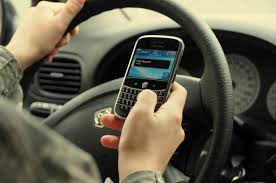
7 facts about texting that can save a life


 7 Facts About Texting That Can Save a Life

Multitasking has increased in the last few years to astronomical heights.  With one hand and a smartphone you can watch a YouTube video, send an email, play a game, voice chat and place a call in a five-minute span.  However, with much power comes much responsibility because NOW that we have this access 24-7, it has carried over into our driving habits. 

For some time, researchers have been telling us to focus only on driving, quoting a greatly increased chance of accident, injury and death when we distractedly call a friend or answer a ringing cell phone.

Now, new research has revealed the most dangerous driver distraction of all: texting.

A study by the Virginia Tech Transportation Institute, along with prior studies by Liberty Mutual Insurance and state-funded organizations located online, reveals the shocking statistics of texting behind the wheel:

·      Texting while driving increases the risk of accident 23.2 times over unimpaired driving.
·      Texting while driving results in longer response times than even drunken driving. While an unimpaired driver can respond quickly to changes in traffic and begin braking within half a second, a legally drunk driver needs four additional feet to begin braking—and a driver who’s texting needs 70.
·      In the moments before a crash or near crash, drivers typically spend nearly five seconds looking at their mobile devices—enough time at typical highway speeds to cover more area than the length of a football field.
·      Though 95 percent of drivers surveyed said texting behind the wheel was unacceptable and unsafe, at least 21 percent admit to doing it anyway.
·      Especially amongst teens, texting results in erratic driving behavior, like lane weaving and speeding up and down, increasing the likelihood of hurting pedestrians and running into other vehicles.
·      Texting behind the wheel is generational: 37 percent of drivers 18 to 27 admit to texting while driving, compared to 14 percent of 28 to 44 year olds, and 2 percent of 45 to 60 year olds.
·      An accident can happen in two to three seconds while texting.